How Dental Crowns Southgate CA Restore Comfort While Chewing
Chewing should feel automatic. Most people do not think about the small, coordinated work their teeth, jaw muscles, and bite perform until something goes wrong. A cracked molar, a large cavity, a worn-down cusp, or a tooth that has already had root canal treatment can turn an ordinary meal into a cautious, one-sided effort. Instead of enjoying food, people start testing every bite, avoiding certain textures, and bracing for pain.
That is where crowns often make a meaningful difference. When a tooth has enough structure left to stay in place but not enough strength to handle daily pressure, a crown can rebuild what has been lost. In practical terms, it covers and supports the damaged tooth so it can take chewing forces more evenly. For patients searching for Dental Crowns Southgate CA, the real question is usually not cosmetic first. It is much more direct: will this help me eat without discomfort again?
In many cases, yes. A well-made crown does more than improve appearance. It restores shape, protects weakened enamel and dentin, and helps the tooth participate in the bite the way it should. The comfort that follows is not just about reducing pain. It is about getting back to normal habits, biting into firmer foods, chewing on both sides, and not constantly monitoring one tooth during every meal.
Why chewing becomes uncomfortable in the first place
Chewing pain rarely appears out of nowhere. There is usually a mechanical reason behind it. Teeth are designed to handle repeated force, but they depend on healthy enamel, solid internal support, stable roots, and a balanced bite. Once any of those elements is compromised, pressure stops being distributed properly.
A common example is a tooth with a large filling that has been in place for years. At first, the filling solves the decay problem. Over time, though, the natural tooth around that filling can weaken. It may develop fine cracks, or parts of the tooth may flex slightly under pressure. Patients often describe this as a sharp twinge when biting down or releasing a bite. They may say one side feels “not right,” even if they cannot point to a visible problem.
Another familiar situation involves a tooth after root canal treatment. Once the nerve and infected tissue are removed, the tooth can be saved, but it may become more brittle. Back teeth, especially molars and premolars, carry heavy chewing loads. Without reinforcement, they are at greater risk of fracture. That is one reason crowns are frequently recommended after root canal therapy on posterior teeth.
Wear also plays a role. Some patients clench or grind at night. Others have older restorations, small fractures, or acid erosion that gradually changes tooth shape. A tooth does not have to be dramatically broken to become uncomfortable. Sometimes it is simply no longer strong enough to absorb normal bite pressure without protest.
What a crown actually does
A crown is a custom-made covering that fits over a prepared tooth. It is shaped to restore the tooth’s height, contour, and chewing surface. Think of it less as a cosmetic shell and more as structural reinforcement with functional precision.
When properly planned, a crown helps in several ways. It binds and protects weakened tooth structure. It redistributes chewing forces across the tooth. It reduces direct stress on cracked or compromised areas. It also restores the surface anatomy needed for a stable bite, so the opposing teeth meet more naturally.
That matters because chewing comfort depends on balance. If one damaged tooth hits too hard, the patient feels it immediately. If that same tooth is too low, they may shift pressure elsewhere and overload neighboring teeth or jaw muscles. A crown gives the dentist a chance to rebuild the tooth to a more ideal form, one that works with the rest of the mouth instead of against it.
Patients often notice the difference in ordinary moments. Crunchier foods stop feeling risky. Biting pressure becomes more predictable. That “electric” sensation or split-second jolt can fade once the tooth is protected and adjusted properly.
The kinds of problems crowns are meant to solve
Not every damaged tooth needs a crown, and a good dentist should not suggest one casually. Smaller areas of decay can often be treated with fillings. A crown becomes more reasonable when the remaining tooth structure is too compromised for a filling to last or when the pattern of stress on that tooth makes fracture likely.
Some of the most common reasons include these situations:
- a tooth with a very large filling and little healthy structure left
- a cracked or fractured tooth that still has a savable root
- a back tooth after root canal treatment
- a tooth worn down enough to affect the bite or chewing comfort
- a broken cusp that makes biting painful or unstable
These are not cosmetic fringe cases. They are the types of everyday problems that interfere with function. In practice, many patients seek out Dental Crowns Southgate CA after months of adapting around a painful tooth. They have switched sides when chewing, cut food into smaller pieces, or stopped eating nuts, crusty bread, steak, or raw vegetables on one side. Once the damaged tooth is restored, those small compromises often become unnecessary.
Comfort comes from fit, not just coverage
One detail patients do not always realize is that simply covering a tooth is not enough. The crown has to fit accurately in several dimensions. If the fit is off, even slightly, chewing can still feel strange or uncomfortable.
The margin, where the crown meets the tooth, needs to be precise. That helps protect the tooth from leakage and recurrent decay. The contact with neighboring teeth should be snug enough to prevent food traps but not so tight that floss shreds or the crown is difficult to seat. Most importantly for chewing comfort, the bite has to be adjusted carefully.
A crown that is too high can create immediate trouble. Patients often describe it as “hitting first” when they close. That concentrated force can make the tooth sore, inflame the ligament around the root, and even trigger jaw fatigue. On the other hand, a crown that is too low may not contribute properly to chewing, which can alter bite dynamics over time.
Good crown work often feels uneventful after a brief adjustment period. That is the goal. The tooth should not announce itself during every meal. It should simply do its job.
The appointment process and what patients usually feel
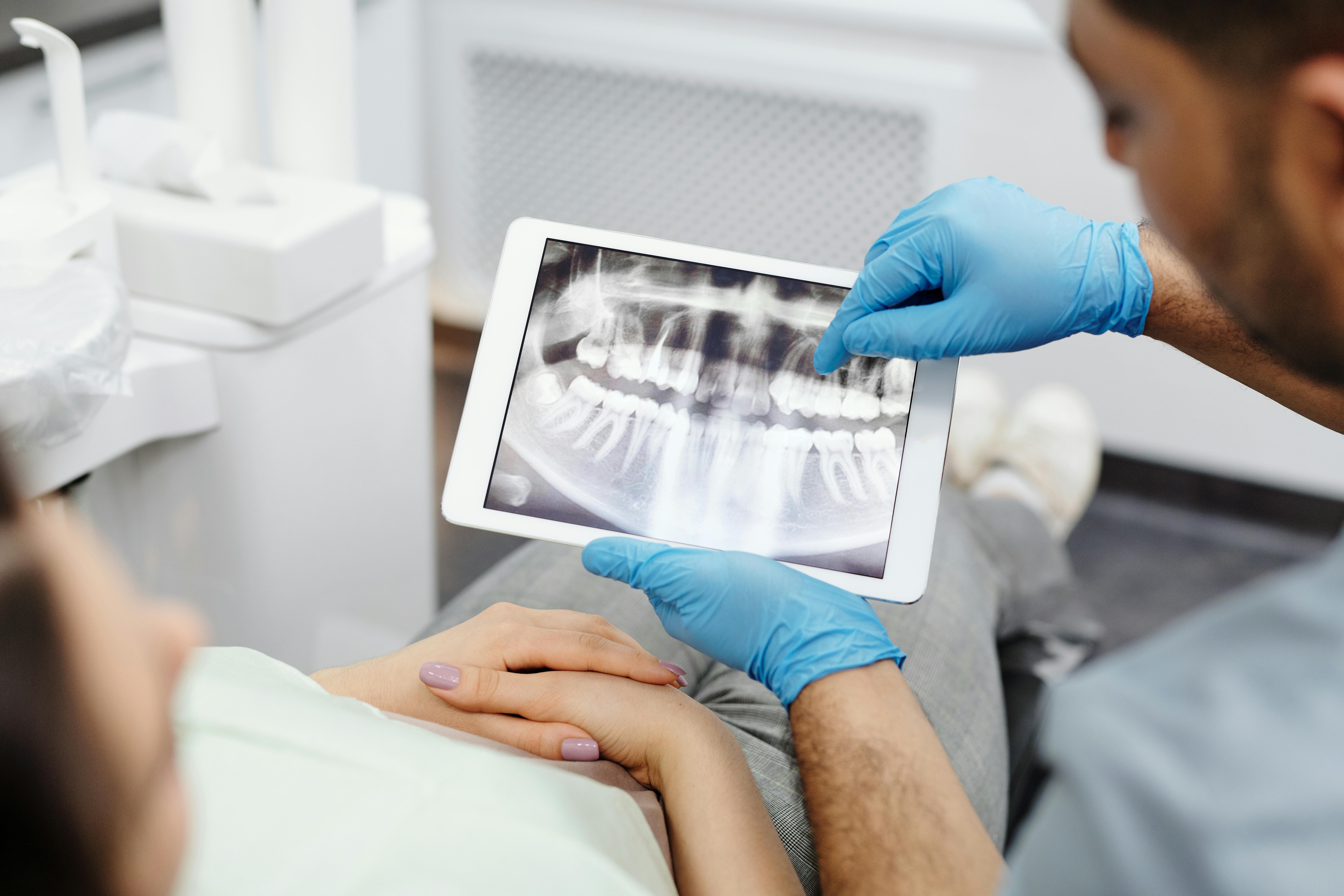
The process varies by office and by the technology used, but the overall sequence is straightforward. The tooth is evaluated first to confirm that a crown is the right choice and that the root, gum support, and surrounding structures are healthy enough to proceed. X-rays are often part of that assessment, especially when the tooth has deep decay, an old restoration, or previous endodontic treatment.
At the preparation visit, the tooth is shaped to make space for the crown. If decay or unstable material is present, it is removed. In some cases, the tooth needs a buildup first to create a sound foundation. Impressions or digital scans are then taken so the final crown can be fabricated. A temporary crown usually protects the tooth in the meantime.
Patients often worry about pain during this stage, but with proper local anesthesia, the appointment is typically manageable. The temporary period is where sensitivity can occasionally show up, especially with cold foods or very sticky textures. Temporary crowns are useful, but they are not as strong or precise as the final restoration. That is one reason dentists usually advise being a bit careful until the permanent crown is cemented.
When the final crown is delivered, the dentist checks fit, contacts, color if relevant, and bite. Minor adjustments are common and expected. This is the stage where attention to detail pays off. A crown can look fine and still need subtle refinements before it feels right during chewing.
Why molars benefit so much from crowns
Front teeth matter for appearance and incising food, but molars do most of the heavy lifting. They absorb large vertical forces and also deal with lateral stress, especially in patients who grind or clench. When a molar loses a substantial amount of structure, the risk of fracture rises quickly.
This is why crowns are especially common on back teeth. A filling can replace missing material, but it does not always reinforce a weakened tooth under high load. Crowns are often the more durable solution when the tooth has become structurally vulnerable. In practical terms, they can restore the broad, stable chewing table needed to process food comfortably.
A patient who has been avoiding one lower molar, for example, may not just be protecting that single tooth. They may be overusing the opposite side, chewing less efficiently, and creating uneven muscle tension. Once the molar is crowned and biting comfortably again, the whole chewing pattern can normalize.
Materials matter, but function matters more
Patients often ask which crown material is best. The answer depends on location, bite force, appearance goals, and the amount of natural tooth remaining. Porcelain and ceramic crowns can offer excellent esthetics. Porcelain-fused-to-metal crowns have a long clinical track record. Zirconia is popular because of its strength and durability, especially in higher-force areas.
From a chewing standpoint, the best material is the one that suits the tooth’s role and the patient’s bite. A very strong material is not automatically ideal if the design is bulky, the bite is poorly adjusted, or the underlying tooth is not adequately prepared. Likewise, a highly esthetic material may not be the first choice for someone with heavy nighttime grinding on a lower molar.
This is where case selection matters. A thoughtful dentist weighs not just the appearance of the tooth, but the way the patient uses it. Someone who clenches, has a deep bite, or has already fractured restorations may need a different approach from someone with lighter chewing forces and primarily cosmetic concerns.
When comfort does not return immediately
Most crowns improve comfort, but not every tooth settles instantly. Sometimes the tooth was inflamed before treatment, and the ligament around the root needs time to calm down. Sometimes the bite needs a small adjustment after a patient has worn the crown for a few days and can describe exactly where it feels off. Occasionally, an underlying crack extends deeper than initially suspected, which can complicate recovery.
That is why follow-up matters. Patients should not assume they simply need to “get used to” persistent pain. Mild awareness for a short period can be normal. Sharp pain on biting, ongoing throbbing, or temperature sensitivity that worsens rather than improves deserves a recheck.
In day-to-day practice, many post-crown complaints are bite-related and fixable. A tiny high spot can make a big difference because the chewing system is remarkably sensitive to uneven contact. Once adjusted, the tooth often feels dramatically better.
Signs it may be time to ask about a crown
Not every sensitive tooth needs a crown, but certain patterns should prompt an evaluation, especially when chewing is involved.
- pain when biting or releasing pressure
- a large old filling with new tenderness or visible cracks
- a tooth that fractured but does not need extraction
- discomfort on a root canal-treated back tooth
- repeated repairs on the same tooth that keep failing
These signs do not confirm that a crown is the answer, but they do suggest the tooth needs a closer look. Waiting too long can narrow the options. A tooth that might have been restored with a crown can become non-restorable if a crack deepens below the gumline or if a major section breaks off.
The local factor in Southgate
Patients looking for Dental Crowns Southgate CA are often balancing more than dental symptoms. They are thinking about time away from work, family schedules, insurance limitations, and how quickly they can get back to eating normally. Those practical issues matter. A crown is not just a line item on a treatment plan. It is a decision tied to comfort, convenience, and long-term cost.
In communities where people stay busy and postpone care, chewing pain tends to get managed informally for a while. Softer foods, more chewing on one side, pain relievers, hoping the tooth “settles down.” The problem is that structurally compromised teeth usually do not rebuild themselves. The discomfort may fluctuate, but the underlying weakness remains.
That is one reason timely care helps. A crown placed before a tooth splits completely is often simpler, less expensive, and less disruptive than dealing with an extraction, implant, or bridge later. Restorative dentistry works best when there is still enough healthy foundation to preserve.
Living with a crown day to day
Once a permanent crown is in Dental Crowns Southgate CA place and adjusted well, most patients stop thinking about it. That is the ideal outcome. They chew without hesitation, clean around it like a natural tooth, and return for regular exams so the margins and surrounding gum tissue can be monitored.
Crowns are durable, but they are not indestructible. Grinding, very sticky foods, neglecting flossing, and untreated decay at the edges can shorten their lifespan. Good home care still matters. So does wearing a night guard if clenching is part of the picture. The crown protects the tooth, but the tooth and the crown still live in the same environment, exposed to the same habits and forces.
It is also worth noting that comfort depends on the whole bite, not just one restoration. If several teeth are worn, missing, or shifting, a single crown may help a lot without solving every functional issue. In those cases, broader bite evaluation can be important. The crown may be the first step, not the last.
What patients often notice after treatment
When a crown successfully restores a damaged tooth, the improvement can feel surprisingly ordinary. Patients often mention small things rather than dramatic ones. They can chew salad on that side again. They stop testing the tooth with their tongue. They no longer wince when they hit a seed or a firmer piece of bread. They eat at restaurants without scanning menus for the safest option.
That return to normal is easy to underestimate, but it matters. Chewing comfort affects nutrition, social ease, and general quality of life. Persistent dental pain tends to occupy mental space all day long, even when it is not severe. People work around it constantly. Restoring the tooth removes that burden.
For many patients, the value of Dental Crowns Southgate CA comes down to exactly that. The crown does not just cap a tooth. It restores confidence in a basic daily function. When the fit is precise, the diagnosis is sound, and the tooth is still worth saving, a crown can turn a hesitant, uncomfortable bite back into a dependable one.
Simple Dental South Gate
Address: 8617 California Ave, South Gate, CA 90280
Phone number: +13236896118
FAQ About Dental Crowns Southgate CA
How much do crowns cost per tooth?
In the United States, a single dental crown typically costs between $800 and $2,500 per tooth without insurance. The ultimate out-of-pocket price depends heavily on the crown material, the location of the tooth, and whether you have dental insurance coverage.
What is the downside of crowns on teeth?
The primary downside of a dental crown is that the procedure permanently removes natural tooth enamel to shape the tooth for the cap.
Why do dentists push for crowns?
Dentists recommend crowns because a large filling cannot provide enough strength when a tooth loses a major portion of its structure or faces heavy chewing pressure.