How Dental Crowns Southgate CA Can Transform Your Bite
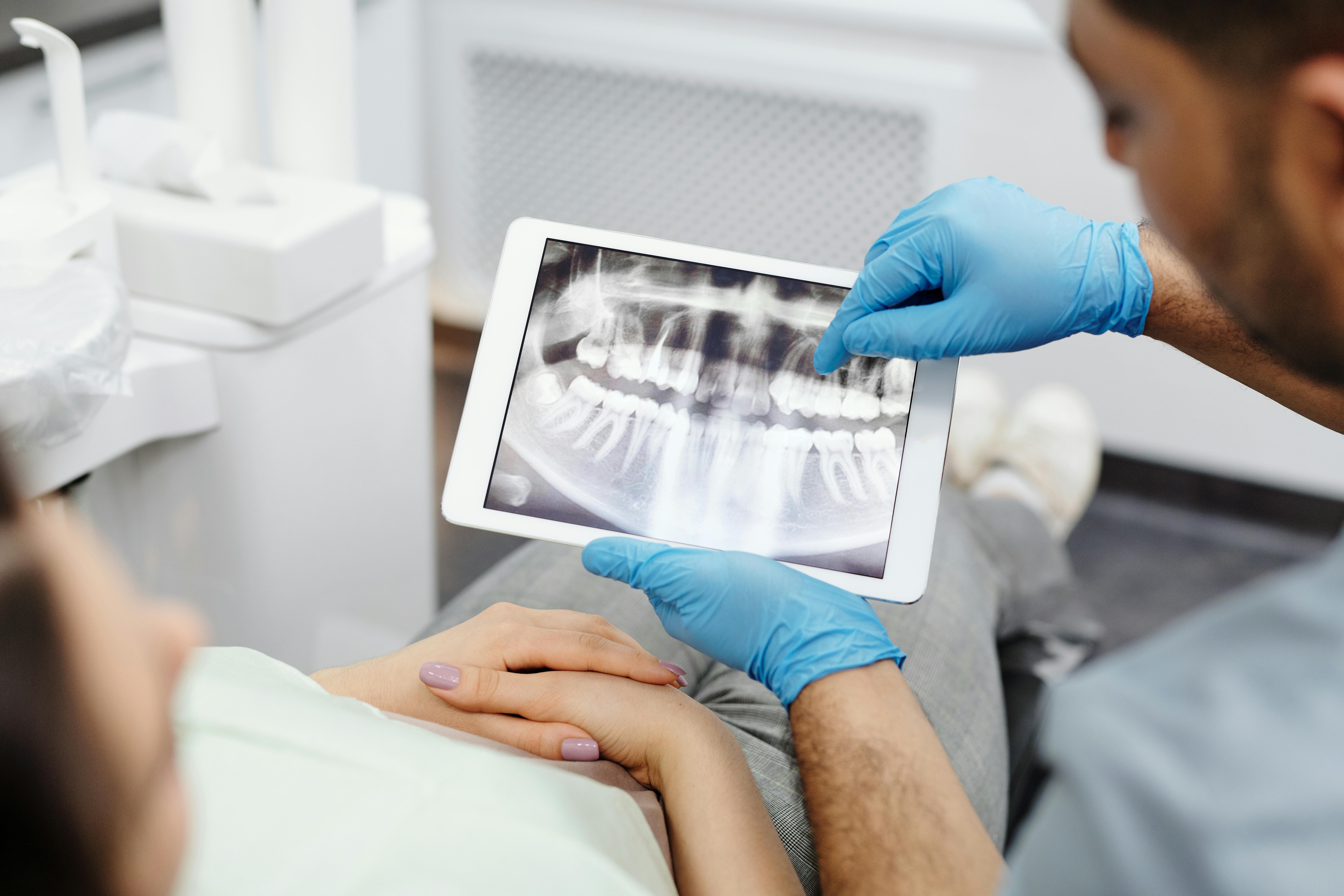
A dental crown is easy to underestimate if you have never needed one. From the outside, it can seem like a simple cap placed over a damaged tooth. In practice, a well-made crown can change far more than appearance. It can restore chewing strength, stabilize the way your upper and lower teeth meet, reduce strain on the jaw, protect a weakened tooth from breaking, and make everyday eating feel normal again.
That last point matters more than many people expect. Bite problems are not always dramatic. Sometimes they show up as a patient who avoids chewing on one side because a back tooth hurts. Sometimes they appear as a front tooth worn down from years of grinding, leading to an edge-to-edge bite that chips easily. In other cases, one cracked molar throws off the balance of the whole mouth. People adapt without realizing it. They shift food to the other side, tense their jaw, chew more slowly, or stop eating certain foods altogether. Over time, those little adjustments can ripple outward.
For patients looking into Dental Crowns Southgate CA, the most important thing to understand is that a crown is not only about repairing a tooth. It is also about restoring function, and function is what shapes your bite.
When a damaged tooth starts changing the way you chew
The bite is a coordinated system. Teeth, muscles, jaw joints, ligaments, and nerves all work together every time you close, grind, chew, or speak. When one tooth is compromised, the system often compensates.
A common example is a molar with a large old filling. The filling may have served well for years, then the remaining tooth structure begins to fracture around it. The patient notices sensitivity when biting down, especially on something firm like toasted bread or nuts. Soon they stop using that side. The opposite side takes more force. The muscles on one side work harder. The uneven pattern can continue for months or years.
Another pattern appears after a root canal. Root canal treatment can save a tooth beautifully, but once the inner tissue is removed, the tooth may become more brittle, especially if much of the original structure was already lost to decay or a large restoration. Without crown protection, that tooth may crack under regular biting pressure. When a crown is placed properly, it holds the tooth together and allows it to bear force more predictably.
Front teeth tell a different story. A worn or broken front tooth can alter the way the front teeth guide jaw movement. That guidance affects how the back teeth separate during side-to-side motion. If the front teeth are shortened, chipped, or structurally weak, the back teeth may take on stress they were not meant to handle during grinding movements. One crown in the right place can sometimes restore that guidance and reduce repeated chipping elsewhere.
These are not abstract mechanics. They show up in real behavior. Patients come in saying, “I can chew, but it feels off,” or “I keep biting harder on this one side,” or “That tooth doesn’t hit right anymore.” Those comments often point to a functional issue, not just a cosmetic one.
What a crown actually does for your bite
A crown covers the visible part of the tooth above the gumline and is shaped to fit into your bite with very fine precision. When done well, it does several jobs at once.
First, it rebuilds the lost anatomy of the tooth. Molars and premolars are not flat blocks. They have ridges, grooves, slopes, and contact points designed to break down food efficiently. If decay, fractures, or wear have flattened or weakened those surfaces, the bite becomes less stable. A crown recreates the shape that allows the tooth to function as part of the whole system again.
Second, a crown redistributes force. A cracked tooth often flexes under pressure in a way that causes pain. Covering it with a crown can brace the remaining structure and spread force more evenly. Patients often describe the difference as the tooth feeling “solid” again.
Third, a crown can restore the vertical dimension of a worn tooth. If a tooth has been worn down significantly, there may not be enough height left for normal contact with the opposing tooth. Restoring that height can improve how the teeth meet and how the jaw closes.
Fourth, a crown can correct small but meaningful bite discrepancies. This does not mean a crown is a cure-all for major orthodontic or skeletal bite problems. It does mean that when one tooth is malformed, broken, collapsed, or heavily restored, a crown can help bring that tooth back into harmony with the surrounding teeth.
That is where transformation happens. Not in a dramatic before-and-after photo alone, but in the daily mechanics of chewing, speaking, clenching, and resting the jaw.
The patients who benefit most
Crowns can be useful in a wide range of cases, but some situations stand out because of how directly they affect the bite.
- Teeth with large fillings and not much healthy structure left
- Cracked teeth that hurt on biting or release
- Root canal treated back teeth that need protection from fracture
- Worn teeth that have lost shape, height, or stability
- Teeth supporting bridges or replacing missing teeth with implant crowns
Even within those categories, judgment matters. A small tooth-colored filling may be enough for one person and clearly inadequate for another. A young patient with a limited fracture line and strong enamel may be treated conservatively. An older patient with heavy grinding, multiple fractures, and a history of broken restorations may need full coverage sooner. Dentistry works best when the treatment fits the forces that tooth will actually face.
Why crown design matters more than patients realize
Not all crowns perform the same way. Two crowns can look similar in a mirror and behave very differently in the mouth. The design details matter.
The contour of the chewing surface influences how food is crushed and how opposing teeth contact it. If the crown is too high, even by a small amount, the tooth may absorb too much force. That can cause soreness, headaches, clenching, or a sense that the bite feels “first” on that tooth. If the crown is too low or too flat, it may not contribute enough to chewing function, which can also leave the bite feeling unbalanced.
The contact with neighboring teeth matters too. Teeth are supposed to support each other in the arch. If a crown is too tight or too open between teeth, food may trap, gums may become irritated, or tooth movement can occur over time. Those changes can influence the bite indirectly.
Material selection also plays a role. Porcelain-fused-to-metal crowns, all-ceramic crowns, zirconia crowns, and gold-based restorations each have strengths and trade-offs. In the back of the mouth, strength and wear characteristics often matter more than pure translucency. In the front, appearance may carry more weight, but the crown still has to handle functional guidance and parafunctional habits like grinding.
I have seen patients with excellent-looking crowns that never quite felt right because the bite was not refined carefully. I have also seen plain-looking posterior crowns that served beautifully for well over a decade because they were designed with function in mind. Esthetics matters, but function keeps a crown comfortable.
How crowns can relieve stress on the jaw
People are often surprised when a single damaged tooth contributes to broader jaw discomfort. The connection is real, though it is not always simple.
If one tooth contacts too early or painfully, the muscles can start guarding around that interference. The patient may clench more to “find” a comfortable bite. They may shift the jaw slightly to one side when closing. Over time, this can create fatigue in the masseter or temporalis muscles. Some patients wake up feeling sore without knowing why.
A properly adjusted crown can remove a painful trigger and let the bite settle into a more stable pattern. That stability can reduce muscle overactivity. It is not a guarantee, especially in patients with established temporomandibular joint disorders, but it can be a meaningful piece of the solution.
This is one reason a careful bite check after crown placement is so important. The appointment is not finished just because the crown fits on the tooth. The dentist needs to evaluate how it contacts in a normal bite, in side movements, and often in functional movements that reflect how the patient actually chews or grinds.
The process, and what patients in Southgate should expect
When people search for Dental Crowns Southgate CA, they are usually trying to solve a practical problem. The tooth hurts. The filling broke. A dentist said the tooth could crack further without coverage. Knowing what the process looks like helps reduce uncertainty.
In a conventional crown procedure, the tooth is shaped so the crown can fit over it securely. If the tooth is heavily damaged, it may first need a buildup to replace missing core structure. An impression or digital scan is taken, and a temporary crown is placed while the final crown is made. At the delivery visit, the final crown is tried in, evaluated for fit and color if needed, then bonded or cemented into place.
Some offices offer same-day crowns using in-office scanning and milling. That can be convenient, but convenience should not be the only factor. Complex bites, heavy grinders, and cases involving significant structural loss sometimes benefit from the planning and laboratory craftsmanship that come with a more traditional workflow. The right approach depends on the tooth, the material, and the demands placed on it.
Most patients adjust to a new crown within a few days. Mild sensitivity to temperature or biting pressure can happen at first, particularly if the tooth was inflamed beforehand. A bite that feels obviously high, however, should not be ignored. That usually warrants a prompt adjustment. Crowns should feel natural once they settle in. Patients should not have to “learn to live with” a crown that feels wrong.
Bite transformation is not only for severe cases
There is a tendency to think of bite transformation as something dramatic, involving full-mouth reconstruction. That certainly exists, and crowns are often part of it. But more modest cases are common and meaningful.
A single lower molar crown can restore confidence on one side of the mouth after months of guarded chewing. Two crowns on worn upper canines can improve guidance and reduce repeated fractures in nearby teeth. A crown on a root canal treated premolar can stop a small crack from becoming a tooth-splitting fracture. These changes may not seem flashy, but they often produce the kind of relief patients notice immediately at dinner, not only in a photo.
That said, crowns are not magic. If the underlying issue is widespread Dental Crowns Southgate CA wear from untreated sleep bruxism, a crown alone may fail unless the grinding is addressed. If several teeth are drifting because of missing teeth elsewhere, a single crown may improve one area but not correct the bigger occlusal imbalance. If gum disease has weakened support, restoring the crown of the tooth without stabilizing the foundation can limit long-term success.
Good dentistry means seeing the crown in context.
Situations where a crown may not be the best answer
There are times when a more conservative treatment makes more sense. A small fracture or cavity may be repaired with an onlay, inlay, or filling if enough healthy tooth remains. Preserving tooth structure matters. Once a tooth is prepared for a full crown, that choice is not reversible.
There are also cases where the tooth is simply too compromised. If decay extends far below the gumline, if the root is cracked vertically, or if bone support is too limited, placing a crown may not be predictable. In those cases, extraction and replacement options may need to be discussed.
Then there are esthetic and functional compromise cases. A patient may strongly prefer the least expensive option, but a lower-cost solution that does not hold up to bite forces can become more expensive in the long run. On the other hand, the most expensive material is not automatically the best one for every tooth. A posterior tooth in a heavy grinder may call for durability above all else. A visible front tooth may need a different balance between strength and appearance.
These trade-offs deserve honest conversation. Patients usually do well when they understand not just the procedure, but the reasoning behind it.
How dentists evaluate whether a crown can improve your bite
The best crown decisions come from a close look at both the tooth and the larger bite pattern. That evaluation often includes the following:
- Where and how the tooth contacts when you bite naturally
- Whether you grind or clench, especially at night
- How much healthy tooth structure remains above the gumline
- Whether the tooth has a crack, root canal, or recurrent decay
- How neighboring and opposing teeth are wearing over time
That assessment guides more than the yes-or-no decision about a crown. It also influences material choice, shape, margin placement, and whether the patient should wear a night guard after treatment. A crown placed into a destructive bite without protective planning can become the next thing to fracture.
Longevity, maintenance, and the habits that affect outcomes
Patients often ask how long a crown lasts. The honest answer is that it depends. Many crowns function well for 10 to 15 years, and some last much longer. Others fail earlier because of recurrent decay at the margin, fracture, cement washout, heavy grinding, poor oral hygiene, or changes in the surrounding teeth and gums.
Daily care is straightforward but important. Brushing at the gumline matters because crowns do not get cavities, but the tooth underneath still can, especially where crown margins meet natural tooth structure. Flossing matters because food and plaque accumulation between teeth can inflame gums and create decay at the edge of the restoration. Routine exams matter because small problems are easier to address before they become painful or catastrophic.
Night guards deserve special mention. For patients who clench or grind, a custom guard can dramatically extend the life of crowns and reduce stress on the entire bite. Some patients resist the idea because the crown feels strong. Strength helps, but even strong materials can chip or transmit damaging force to the underlying tooth.
I have seen beautifully restored bites last because patients protected them. I have also seen excellent work fail when heavy grinding went unmanaged. The crown is part of the solution, not the whole story.
Why local care matters when your bite is the issue
There is a practical value in working with a dental office that understands your history, has access to your records, and can follow up if the bite needs refinement. Bite issues are sometimes iterative. A crown may feel nearly right at delivery, then need a minor adjustment after a few days of real chewing. That does not necessarily mean something went wrong. It means the mouth is dynamic, and the patient’s feedback matters.
For residents searching for Dental Crowns Southgate CA, proximity can make that process easier. So can continuity. If the same office has monitored your wear patterns, old fillings, gum condition, and jaw symptoms over time, treatment decisions tend to be more nuanced. Dentistry is not only about what the tooth looks like on the day of preparation. It is about how it has behaved for years and what it is likely to face in the future.
A good local dentist will also tell you when a crown is not enough. If your bite problems stem from broader alignment issues, missing teeth, or advanced wear across the mouth, you may need a more comprehensive plan. That could include orthodontic treatment, periodontal therapy, bite splint therapy, implants, or staged restorative work. Crowns are often central to these plans, but they work best when they are part of a coherent strategy.
The difference patients tend to notice first
When a crown truly improves the bite, patients usually notice one of a few things right away. They can chew on that side again without hesitation. The tooth no longer sends a sharp signal when they bite and release. Food stops catching around a broken edge. The jaw feels less tense by the end of the day. The crown disappears into normal function, which is exactly what you want.
That sense of normalcy is easy to overlook until it returns. A healthy bite rarely calls attention to itself. It simply works. You eat, speak, swallow, and move through the day without planning around a sore tooth or a weak side of the mouth.
That is why crowns matter beyond repair. A carefully planned and properly adjusted crown can protect a vulnerable tooth, restore lost structure, and reestablish the balance your bite needs to function comfortably. For many patients, that shift is not subtle. It changes the way they use their mouth every single day.
If you have a tooth that feels unreliable, painful, cracked, or worn down, it is worth having the bite evaluated, not just the tooth in isolation. In the right case, Dental Crowns Southgate CA can do much more than cover damage. They can restore stability, protect long-term oral health, and give you back a bite that feels strong, even, and dependable.
Simple Dental South Gate
Address: 8617 California Ave, South Gate, CA 90280
Phone number: +13236896118
FAQ About Dental Crowns Southgate CA
How much do crowns cost per tooth?
In the United States, a single dental crown typically costs between $800 and $2,500 per tooth without insurance. The ultimate out-of-pocket price depends heavily on the crown material, the location of the tooth, and whether you have dental insurance coverage.
What is the downside of crowns on teeth?
The primary downside of a dental crown is that the procedure permanently removes natural tooth enamel to shape the tooth for the cap.
Why do dentists push for crowns?
Dentists recommend crowns because a large filling cannot provide enough strength when a tooth loses a major portion of its structure or faces heavy chewing pressure.