Emergency Dentist Help for Teeth Damaged in Car Accidents
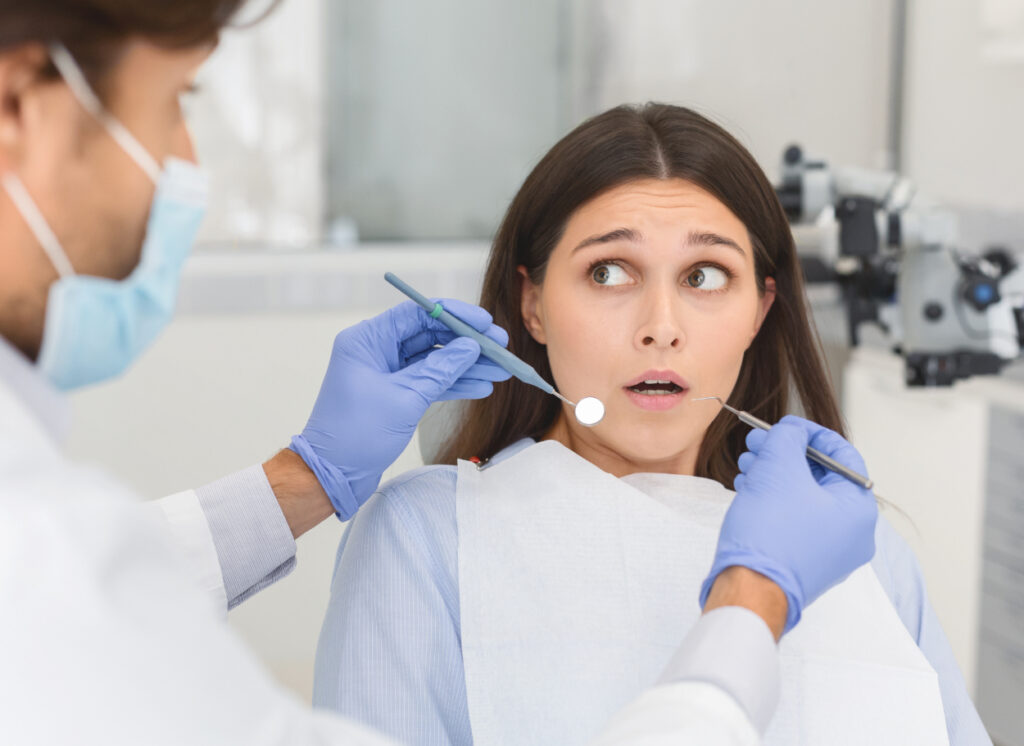
A car accident can damage teeth in ways that are obvious at the scene and in ways that do not fully reveal themselves until hours later. Some injuries are dramatic, such as a tooth knocked out onto the dashboard or a front tooth split in half after striking the steering wheel. Others are quieter but no less serious, including cracked roots, loosened teeth, jaw joint strain, or deep bruising inside the tooth that slowly cuts off its blood supply. In those early moments, people tend to focus on bleeding, neck pain, airbags, and insurance. Dental trauma often gets pushed down the list. That delay can cost a tooth.
An Emergency Dentist plays a specific role after a collision. Medical teams handle life-threatening injuries, imaging, sutures, fractures, and airway concerns. A dentist trained to assess dental trauma looks at bite changes, mobility, enamel fractures, pulp exposure, damage below the gum line, and injuries to the supporting bone and soft tissue. Those details matter because the window to save a tooth can be very short, especially if a permanent tooth has been completely avulsed, meaning knocked out.
Car accidents create a different pattern of dental injury than everyday sports mishaps or a simple slip and fall. There is often a mix of blunt force, sudden acceleration, glass exposure, and impact from airbags, seat belts, steering wheels, windows, or dashboards. The mouth may absorb force directly, or the jaws may slam together hard enough to crack molars even without an outside blow. I have seen patients walk in saying, “It’s just a chipped tooth,” only to find a displaced front tooth, a hidden root fracture, and a bite that no longer lines up. Trauma has a way of hiding the full story.
What dental injuries are common after a crash
The most visible injuries usually involve the front teeth. These are the teeth most likely to strike a hard surface and the most likely to fracture. A minor enamel chip may be mostly cosmetic. A deeper fracture can expose dentin, which often causes cold sensitivity and sharp pain. If the crack reaches the pulp, the nerve tissue inside the tooth is exposed, and the pain can be intense, throbbing, and hard to ignore.
Teeth can also be luxated, a clinical term for being knocked loose or moved out of position. A tooth may be pushed inward, pulled partly out, or shifted sideways. Sometimes the tooth still looks present, which falsely reassures the patient, but the supporting ligament and surrounding bone have been badly injured. These cases need prompt stabilization and close follow-up because the blood supply to the tooth can be compromised.
A completely knocked-out permanent tooth is one of the clearest dental emergencies. Timing matters tremendously. The best outcomes tend to happen when the tooth is replanted quickly and handled properly. Even then, the long-term outlook depends on how long the root surface dries out and whether the socket or surrounding bone was fractured.
Molars are often overlooked after a collision, yet they can crack from the force of clenching or impact between the upper and lower jaws. These cracks are not always visible in a bathroom mirror. Patients may describe pain when biting, sensitivity to cold, or the feeling that one tooth is suddenly “high” or sharp. Those symptoms deserve attention, because an untreated cracked molar can split further over days or weeks.
Soft tissue injuries are common as well. Lips, cheeks, and gums can be lacerated by teeth, glass, or metal. Embedded debris is not rare after a motor vehicle collision. Any cut inside the mouth should be examined carefully, because tiny fragments can remain in the tissue. In some cases, a lip X-ray or careful exploration is needed if the pattern suggests a chipped tooth fragment is missing.
The first few hours can change the outcome
The period right after a car accident is chaotic. If there is any concern about head injury, neck injury, uncontrolled bleeding, breathing difficulty, or loss of consciousness, emergency medical care comes first. Dental care is important, but it is not more important than a potentially unstable medical situation.
Once the patient is medically safe, dental triage should happen quickly. The reason is simple. The mouth heals fast in some ways and deteriorates fast in others. Swelling can obscure the injury pattern. Teeth that initially feel numb may become painful later. A tooth with a damaged nerve may not show clear signs immediately, yet changes begin beneath the surface. An Emergency Dentist can document the injury, reduce displacement, reimplant a tooth when appropriate, splint loose teeth, seal exposed dentin, prescribe targeted treatment, and coordinate imaging and follow-up.
If a permanent tooth has been knocked out, a few actions make a real difference:
- Pick the tooth up by the crown, not the root.
- If it is dirty, gently rinse it with milk or saline for a few seconds, without scrubbing.
- If possible, place it back in the socket right away and hold it there gently.
- If replanting is not possible, keep the tooth moist in milk or saline, or inside the cheek if the person is alert and old enough to do so safely.
- Get to an Emergency Dentist or emergency dental provider immediately.
That advice applies to permanent teeth, not baby teeth. A knocked-out baby tooth is generally not replanted because of the risk of damaging the developing permanent tooth underneath.
Signs that should never be brushed off
Some patients assume that if they can still chew, the injury must be minor. That is not a safe assumption. Dental trauma can be deceptive. Pain is useful, but it is not a perfect guide. I have seen teeth with severe internal damage that barely hurt at first, and I have seen minor ligament bruising that was surprisingly painful.
You need prompt dental evaluation after a crash if you notice persistent bleeding from the gums, a tooth that feels loose, a visible crack, a change in how your teeth meet, sensitivity to air or cold, swelling, numbness in the lip or chin, trouble opening the mouth fully, or any missing tooth structure. A bite that suddenly feels “off” often signals displacement, fracture, or jaw injury. Even a small chip on a front tooth deserves a closer look if it happened in a high-force impact. The visible part of the break may be modest while the root has taken more damage.
Another warning sign is tooth discoloration in the days or weeks after the accident. A tooth that turns gray, dark yellow, or brown may have lost vitality. That does not always happen immediately. Sometimes the patient feels fine, then returns later because one front tooth no longer matches the others in photographs. At that point, the issue is no longer just cosmetic. It may indicate internal bleeding or pulp necrosis, which often requires root canal treatment.
What an Emergency Dentist actually does during the visit
A proper emergency dental evaluation after a car accident is more than a quick look with a mirror. The dentist starts with the mechanism of injury because the story matters. Striking the steering wheel, taking an airbag to the face, biting down hard during sudden deceleration, or being hit by shattered glass can each produce different damage patterns. If there was loss of consciousness, headache, nausea, or neck pain, the dentist needs to know that too, because those symptoms affect how dental care is approached and may require immediate medical referral if they have not already been addressed.
The examination usually includes checking tooth mobility, percussion tenderness, bite changes, gum tears, lip injuries, and the range of jaw opening. Dental radiographs are often essential, though the exact type depends on the suspected injury. Periapical films, panoramic imaging, or cone beam CT may be appropriate in selected cases. The goal is to find fractures that are not visible externally, assess the roots and surrounding bone, and determine whether teeth have been displaced.
Treatment is driven by what is found. A simple enamel chip may only need smoothing or bonding. A deeper fracture may need a protective restoration the same day to shield exposed dentin or pulp. A displaced tooth may need repositioning and splinting. A tooth knocked out and replanted is often splinted to adjacent teeth for a limited period and then monitored closely. Soft tissue injuries may need cleaning, suturing, or referral if there is facial involvement beyond the scope of the dental office.
Pain control also deserves careful judgment. Some patients need local anesthesia, short-term analgesics, antibiotics in selected situations, and a soft diet recommendation. https://erickmdtg378.evergrovio.com/posts/can-an-emergency-dentist-treat-mouth-sores-and-infections But the best emergency care is not just immediate relief. It is setting up the tooth or teeth for survival over the next several months.
Why follow-up matters more than most people expect
A single visit rarely ends the story after major dental trauma. Teeth injured in car accidents need monitoring because complications can emerge later. The initial exam may show a stable tooth with no obvious nerve exposure, but the pulp may still fail over time. The supporting ligament can heal normally, or it can develop resorption, where the body starts breaking down the tooth root. This is one reason trauma cases come back for repeated checks, pulp testing, and imaging.
Children and teenagers need especially careful follow-up. Their teeth may have open root tips, which changes how healing and nerve recovery are judged. Adults with fully developed roots face a different set of risks. A 17-year-old with a luxated incisor is not managed exactly the same way as a 47-year-old with the same visible injury.
The cosmetic side can also evolve. A bonded corner on a front tooth may look excellent on the day of repair, then need refinement later once swelling settles and the true tooth color stabilizes. Some traumatized teeth darken months afterward and need internal bleaching, root canal treatment, veneers, or crowns depending on the damage. The best results often come from staged treatment, not trying to do every final aesthetic step on day one.
Repair options, from straightforward to complex
When people hear “emergency dental care,” they often picture a temporary patch. Sometimes that is true. Sometimes the emergency phase is simply stabilization, pain control, and preservation. But many injuries can be definitively treated once the diagnosis is clear.
For minor fractures, composite bonding is often the fastest and most conservative solution. It works well when enough healthy tooth structure remains and the bite is favorable. For larger fractures, especially those involving front teeth under heavy functional stress, veneers or crowns may provide better long-term protection and appearance. The trade-off is that they generally require more tooth preparation than simple bonding.
If the pulp is damaged or exposed, root canal treatment may be the most predictable way to keep the tooth. This is especially common after deep fractures or severe luxation injuries. Patients are often relieved to hear that a root canal is not a sign of failure. In trauma care, it is often the treatment that saves the tooth.
A tooth fractured below the gum line presents a harder problem. Sometimes it can be restored with a crown after additional procedures. Sometimes orthodontic extrusion or periodontal crown lengthening is considered. In other cases, the fracture is not restorable and extraction becomes the most realistic option. That is where experience matters, because not every badly broken tooth should be abandoned, and not every heroic save attempt is wise. The right call depends on root length, fracture direction, bone support, appearance, cost, and the patient’s age and goals.
If a tooth cannot be saved, replacement options usually include an implant, a bridge, or, in selected cases, a removable option. Implant timing after trauma depends on the condition of the bone and soft tissue. Immediate placement is possible in some situations, but delayed placement is safer in others, particularly when the socket is damaged or infection risk is a concern.
Insurance, documentation, and the practical side of a trauma visit
Dental trauma after a car accident often sits at the intersection of medical and dental insurance. That can be frustrating for patients because benefits do not always fit neatly into the real-world injury. Clear documentation helps. An Emergency Dentist should record the accident history, visible injuries, tooth numbers, radiographic findings, photographs when useful, and the treatment performed. Patients benefit from keeping copies of visit summaries, bills, imaging reports, and photographs of facial swelling or broken teeth taken soon after the collision.
In legal or claims settings, details matter. A small front tooth fracture may sound minor on paper, yet if it leads to repeated restorations, root canal treatment, or eventual crown replacement over time, the actual burden is larger than the initial chip suggests. The same applies to jaw soreness that later proves to involve temporomandibular joint strain or bite changes from displaced teeth.
Documentation is not just about reimbursement. It also supports continuity of care. Trauma patients are often seen first in one setting, then referred to a general dentist, endodontist, oral surgeon, or prosthodontist. Good records prevent guesswork.
Special situations that need extra caution
Pregnant patients, young children, people on blood thinners, and patients with recent concussions all need tailored planning. A pregnant patient can still receive urgent dental care, but imaging and medication choices are handled thoughtfully. A child with a mixed dentition, meaning both baby and permanent teeth present, needs a dentist who can distinguish what should be saved, what should be monitored, and what should be left alone. A patient taking anticoagulants may have prolonged bleeding from gum or soft tissue injuries. Someone with facial numbness or jaw asymmetry may have a fracture or nerve injury that goes beyond routine dental treatment and requires surgical assessment.
There is also the question of timing when facial lacerations are involved. A lip cut that passes through the border where the lip meets the skin, or a deep cheek wound from a broken tooth, may need coordinated care to reduce scarring and restore function properly. Teeth do not exist in isolation. A good trauma evaluation treats the whole oral and facial picture.
What recovery usually looks like at home
The first few days after treatment are often uncomfortable but manageable. Patients are commonly advised to eat a soft diet, avoid biting with injured front teeth, keep the area clean, and watch for swelling, fever, increasing pain, or changes in bite. Cold sensitivity may linger for a period even when the tooth survives. Splinted teeth can feel strange, and speech may be slightly altered for a short time. That is normal.
A practical home routine usually includes the following:
- Choose soft foods such as eggs, yogurt, soup, pasta, fish, and cooked vegetables for several days.
- Brush gently around the injured area with a soft toothbrush and keep the mouth clean.
- Use any prescribed rinses or medications exactly as directed.
- Avoid testing the tooth by biting hard foods to “see if it’s better.”
- Return promptly if pain escalates, swelling increases, or the tooth changes color.
One of the most common mistakes is assuming that less pain means full healing. Trauma does not work that way. The tooth may be quiet while deeper changes are still unfolding. That is why the scheduled review visit matters, even if the patient feels much better.
The difference prompt care can make
A person who sees an Emergency Dentist promptly after a car accident often has more options than the person who waits. A displaced tooth can sometimes be repositioned before the tissues stiffen. A knocked-out tooth has the best chance when it is handled correctly and replanted quickly. A crack can be stabilized before it spreads. A pulp exposure can be sealed before contamination worsens the prognosis. Even if the tooth cannot ultimately be saved, early treatment usually preserves more bone and soft tissue, which makes replacement easier and more natural-looking later.
The emotional side should not be overlooked either. Dental trauma is deeply personal because it affects pain, eating, speaking, and appearance all at once. People are often shaken after a collision. They may feel embarrassed by broken front teeth or alarmed by the sound a tooth made on impact. Calm, skilled emergency care does more than repair structures. It restores a sense of control.
When teeth are damaged in a crash, waiting to “see how it goes” is rarely the smart move. Prompt assessment, good records, and steady follow-up give injured teeth the best chance. That is the real value of an Emergency Dentist after a car accident, not just fast treatment, but informed decisions made while those decisions still matter.
Simple Dental South Gate
Address: 8617 California Ave, South Gate, CA 90280
Phone number: +13236896118
FAQ About Emergency Dentist Southgate CA
What can the ER do for a tooth?
The emergency room can provide temporary symptom relief for a bad tooth, such as prescribing pain medicine or antibiotics, but it cannot fix the actual dental problem.
What is the 3-3-3 rule for tooth infection?
The 3-3-3 rule for a toothache or infection typically means taking three 200 mg ibuprofen tablets (600 mg total) three times a day for no more than three days to control pain and swelling while waiting to see a dentist.
What do you do if you have a dental emergency but no dentist?
If you have a dental emergency and no regular dentist, you should search for an urgent care dental clinic, call local walk-in dental offices, or go to a hospital emergency room if you have severe bleeding, swelling, or trouble breathing.